Tax grab!

Well, it was no surprise when it came down to it, just incredulity on the part of many in the industry and beyond.
21% to 40%
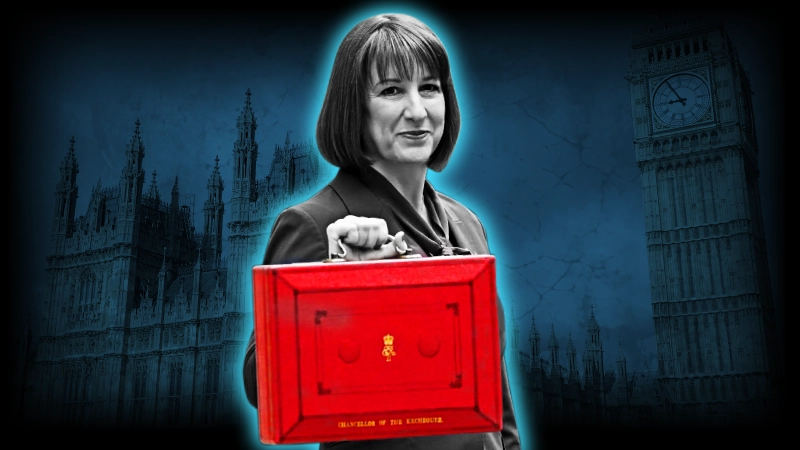
In the Autumn Budget, Rachel Reeves, the Chancellor, revealed, as expected, a massive hike in remote gaming duty – from 21% to 40%, effective April 2026. In an act of breathtaking business, fiscal and social irresponsibility a tax on a growing, healthy industry has just been as good as doubled. It's quite staggering. But then again maybe not considering this government's short but woefully unimpressive track record.
Warnings ignored
Despite warnings and negative financial projections from industry commentators, and most notably the Betting & Gaming Council, the Chancellor proceeded with some of the IPPR's (Institute for Public Policy Research) recommendations. Reeves did however stop short of the ludicrous 50% tax on remote gaming. The IPPR's initial projections were an increase in tax revenues of £880m. We shall see.
Why the rise?
In August former PM, Gordon Brown, wrote an article about gambling and taxation for The Guardian newspaper. It was headed:
'The gambling industry is a licence to print money. Tax it properly – and turbocharge the fight against child poverty.'
He went on to frame the whole issue around increased tax revenues to take British children out of poverty – a telegraphed tug on the heartstrings of Guardian readers and their holier-than-thou echo chamber.
At the Labour Party Annual conference in September Reeves offered this in a speech towards the end of the conference:
'There’s a case for gambling firms paying more. They make an important contribution to the economy, but they should pay their fair share of taxes. We’ll make sure that happens.'
Who determines/determined what that 'fair share' would be, and how? Beyond listening to the IPPR version, it's unclear.
Cynical
For critics of this increase it's difficult to see beyond a cynical raid on a successful, growing industry that also appeases the anti-gambling lobby.
The damage this will do
It's not a question of 'if', it's a question of 'when' and 'to what extent'. This tax increase will:
- Harm the licensed gambling industry – one that is healthy, regulated and growing.
- Impact on the jobs of some proportion of the 109,000+ people who currently work in the industry.
- Impact on what operators can offer. Reduced margins equate to increased costs means less investment in games. This could see reduced RTPs, less attractive bonuses and promotions and compromises on safety and AML (anti-money laundering) measures.
- A less attractive operator/slot site/casino will mean a move by players to unregulated, unlicensed, far-less-safe markets. It's happening already and will increase – the only question is by how much.
- Increased traffic and players using the unregulated market will mean a hole in tax revenues. Quite how big that hole will be remains to be seen – as will how fast it grows. The upshot is reduced revenue for the government. The irony is that at some point that hole in revenue may well surpass the revenue increase the tax hike generates.
Final words
At some point in the not too distant future Rachel Reeves, Keir Starmer, the IPPR, Gordon Brown and a host of others will think to themselves: 'They told us so.' Hubris though, will likely keep them from admitting it or doing anything to reverse the damage. We will likely have to wait.