
Who is Grainne Hurst?
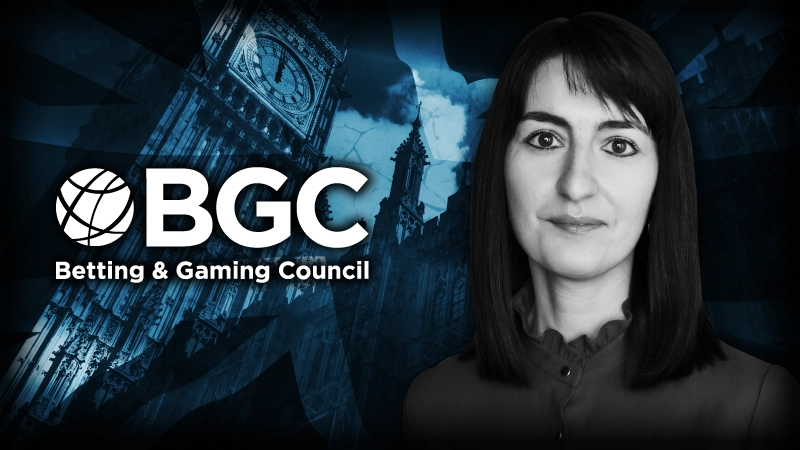

Grainne Hurst has been in the news a bit recently – both industry AND national news. So who is she and what does she do?
Current role
Grainne Hurst has been the Chief Executive Officer of the Betting and Gaming Council (BGC) since September 2024. The BGC is the main trade association for the UK’s betting and gaming sector. As such, Hurst is one of the industry’s most visible voices, representing operators on a range of regulatory, political and economic issues.
Background
Hurst’s career history is a varied one. Directly before joining the BGC she spent an extended period at industry giants Entain, but she’s not always worked in gambling. Instead, her CV blends political communications with a handful of senior roles in large commercial organisations. This breadth of experience gives her, what I think, is a uniquely strong foundation for navigating such a heavily regulated industry.
Hurst spent more than 6 years as Group Director of Corporate affairs at Entain. Prior to that, she worked for Ladbrokes and Coral, where she served as the Head of Public Affairs.
Before her move to gambling, Hurst worked in a handful of advisory roles within both the government and commercial brands like Asda. She’s also a board member of Global Gaming Women, where she has been instrumental in expanding its international reach.
Altogether, Hurst’s CV is arguably the ideal mix of policy, advocacy and commercial experience.
BGC challenges during Hurst's tenure
Grainne Hurst has already captained the BGC through some pivotal moments in the UK gaming landscape. Below we've outlined some of the challenges Hurst has tackled, as well as some that persist.
Illegal gambling market growth
One of the most pressing concerns during Hurst’s tenure has been the rise of unlicensed gambling operators.
She stated herself that, ‘illegal black market is the single biggest threat facing our industry, and that threat is growing’.
These sites operate outside UK regulation, leaving players without safer gambling standards or consumer protection rules. However, Hurst has repeatedly warned that over-regulation of licensed operators risks pushing players toward these illegal sites. Her position is clear: a well-balanced regulatory framework is essential to keep consumers safely within the regulated ecosystem.
Increasing taxation pressures
More recently, taxation has become a major issue. The industry already contributes billions in tax revenue, but further significant increases continue to be implemented.
Remote Gaming Duty will rise from 21% to 40% in April 2026. This covers online slots and casinos.
Remote Betting Duty, covering online sports betting, will increase from 15% to 25% in April 2027., for online sports betting.
Hurst has argued that excessive tax burdens could limit investment, reduce innovation and ultimately shrink the regulated sector. Her stance focuses on industry sustainability, ensuring operators can continue contributing to the economy, while still remaining competitive.
‘Further tax increases on the regulated online sector risk undermining consumer protections by pushing players towards the unsafe, unregulated black market – while reducing Treasury revenues and cutting the vital funding our members provide to British sport…’
Online growth vs retail decline
The shift from land-based betting to online platforms has accelerated in recent years. While online growth presents plenty of opportunities, it has also contributed to the decline of high street betting shops and some casino venues.
Hurst emphasises the importance of maintaining a balanced ecosystem, ‘The Government must think very carefully before taking decisions that could undermine Britain’s much-loved leisure and entertainment sector’.
Retail betting still supports jobs and communities across the UK, and the BGC is keen to avoid any sudden or mismanaged changes that could put those communities at risk.
Regulatory pressure and reform
The regulatory landscape is ever-changing, and it’s been especially turbulent since the White Paper, creating uncertainty for operators.
Hurst has rightly positioned herself as a mediator between industry and policymakers, advocating for evidence-based regulation rather than headline-grabbing moves or knee-jerk reactions. Her approach stresses collaboration with regulators rather than confrontation, while still pushing back against measures she believes could have unintended consequences.
Industry champion
Hurst is a brilliant advocate for the regulated betting and gaming sector, frequently highlighting its economic and social contributions.
As she has stated, ‘Regulated betting and gaming is one of the UK’s few globally successful sectors, helping to support jobs, investment and innovation.’
Her commentary often focuses on the industry’s role in funding public services through taxation, supporting employment across regions, and driving technological innovation, particularly in online gaming.
She has also been vocal about raising standards within the industry, supporting safer gambling initiatives and encouraging greater diversity. Her involvement with Global Gaming Women reflects a broader commitment to improving representation and leadership opportunities within the sector.
About the BGC
The Betting and Gaming Council was established in 2019 as the single standards body representing the UK’s regulated betting and gaming industry. It covers a wide range of operators, including online betting platforms, casinos, bingo providers and high street bookmakers.
The organisation represents more than 90% of the UK’s regulated sector, with major members including bet365, Flutter Entertainment (owner of Paddy Power and Betfair), William Hill, 888 Holdings and LeoVegas.
BGC members collectively contribute £6.8 billion to the UK economy, generate £4 billion in tax revenue and support approximately 109,000 jobs. The organisation works to promote safer gambling and build trust between industry, regulators, and the public.
The BGC operates as a trade association rather than a regulator. This is a key distinction from the UK Gambling Commission (UKGC), which enforces legal requirements and issues licences. While the UKGC sets the rules, the BGC represents industry interests, often acting as a bridge between operators and policymakers.
Hurst leads the organisation alongside senior figures including Chief Strategy Officer Gary Follis and Chief Operating Officer Joff Cooke.
Summary
Grainne Hurst took on the BGC leadership role at a time of significant change for the betting and gaming industry. From regulatory reform to economic pressures and the rise of illegal operators, the challenges are still substantial.
However, her combination of political insight and industry experience has helped her to navigate many of these changes, while remaining a friend of both the industry and those that regulate it.