Betting & Gaming Council warning over tax increase

The government recently launched a consultation on the merging of 3 separate taxes – for remote operators only. Precise figures aren't known yet but industry insiders are predicting a fairly substantial overall increase.
The Betting & Gaming Council (BGC) has warned this could push players into the black market, where the burden of this tax won’t be felt; increased taxes for operators means less margin means clawing back that lost margin from players.
Tax increase; the details
At the moment, tax is charged on 3 different revenue elements in the UK gambling industry:
- Remote Gaming Duty (RGD) – 21% of profit
- General Betting Duty (GBD) – 15% of profit
- Pool Betting Duty (PBD) – 15% of net stake receipts
The government has proposed combining these 3 taxes into a single tax that remote gambling companies will pay – the idea being it will make it easier for the many companies that currently pay all 3.
The government has not released the proposed percentage of the new rate, but they have said it will increase tax for the remote gambling sector. In other words, combining the 3 taxes will increase the overall tax burden on the remote gambling industry.
This proposal is in consultation stage at the moment, and set to close on 21 July 2025.
Implications
While this change is touted by the government as making things ‘easier for operators’, it’s a thinly veiled attempt at sneaking just a little more tax money from the thriving UK gambling industry.
The problem is that some operators won’t pay it – and others can’t. Combine this with the fact that almost two thirds of responses to the consultation think tax hikes will drive players to the black market, and we have a problem.
What set out to be a tax grab could in fact turn into an overall tax loss. Here’s how:
Illegal casinos traffic to grow
One of the ways that online casinos could shift the tax burden is by passing the additional cost onto players. If costs rise (i.e. winnings drop) for players, the black market becomes increasingly appealing.
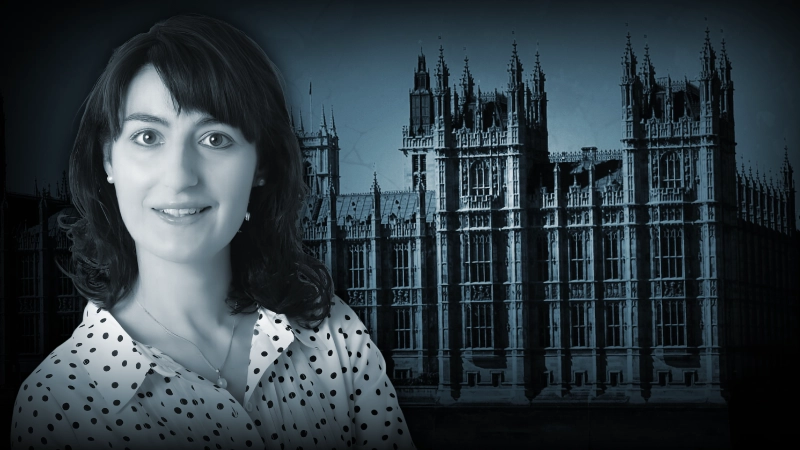
Grainne Hurst, CEO of the Betting and Gaming Council warned: ‘Such a move would risk driving away investment, undermining sports like horseracing, and pushing customers toward the unsafe, unregulated, and growing black market.’
Hurst is, sadly, almost certainly correct. The Netherlands launched the regulated market in 2021 with high taxation (29% gross gaming revenue). This led to an initial rise in black market traffic. So too did Germany, implementing a 5.3% tax on online slots stakes, leading to reduced RTP and a mass migration to unlicensed casinos.
When gambling becomes more heavily taxed and the burden is passed onto consumers, there’s clearly an incentive to simply take their custom elsewhere.
Small casinos and operators face battle
While bigger operators can generally wear these costs thanks to their larger profits, smaller ones will struggle. It’s already difficult for smaller operators to gain a foothold in a market as heavily regulated as the UK. This extra tax could well hit their very viability.
Smaller operators are already operating with tighter margins, but they give UK players some of the most unique experiences. Wiping out these smaller competitors could lead to a homogenous gambling market, where only the major multinationals can afford to exist.
UK tax revenues will be hit
Far from increasing revenues for HMRC, this proposed tax rise might well do quite the opposite.
Grainne Hurst: ‘...a higher tax rate could ultimately reduce, rather than increase, revenue to the Exchequer.’
Why is this the case? Those smaller casinos who can’t stomach the costs of joining the regulated UK market, could pivot to the unregulated one. Black market casinos don’t pay tax at all, and they’ll be on the receiving end of disenfranchised UK players, looking for somewhere that the tax burden isn’t passed onto them.
It’s a double whammy for legal operators and HMRC. More illegal operators with the power to offer better odds and RTPs is stiff competition for the operators who are doing it the right way. All of this will eventually lead to less revenue for HMRC.
Why?
The final question is, why? And it’s a good one. Why does the government want to impose this single, higher, tax when it seems the evidence points to a disaster just waiting to happen.
The gambling industry isn’t perfect, nobody is claiming it is. But it seems that with the new levy just introduced and the effects of the white paper still rolling out, this might be a time for pause rather than yet more radical (and expensive) reform.
Stifled growth
This could dramatically stifle the growth of the legal gambling industry in the UK – an industry that has been performing consistently well despite challenges from all sides. Not only that, but it could push that growth directly into the open arms of the black market, along with a whole slew of customers who’ll now have no legal recompense, and won’t benefit from the security of the regulated market.
Final words
Supporting industry growth isn’t just the best way to maximise HMRC collections, but in a serendipitous moment, it might be the best way to protect players too. Stake limits and affordability checks will undoubtedly take their toll on the profitability of the industry, so it seems foolish to launch another penalty in the form of a higher tax.
While it’s easy to assume the industry wants ‘growth at all costs’, it’s consistently been proven not to be the case. Recommendations from the White Paper have been taken seriously and implemented quickly. Our response to problem gambling (and steps to prevent it) are amongst the best in the world.
Not all about profit
The industry isn’t calling for growth in profits alone, it’s also calling for growth in customer support, safer gambling measures, and the security of jobs.
When the BGC called the response to the consultation a ‘wake up call’, they were right. This proposed tax could backfire spectacularly, leading to a weaker gambling industry, less tax for HMRC, and increased danger to the UK’s players.