
Labour eyes gambling tax cash grab
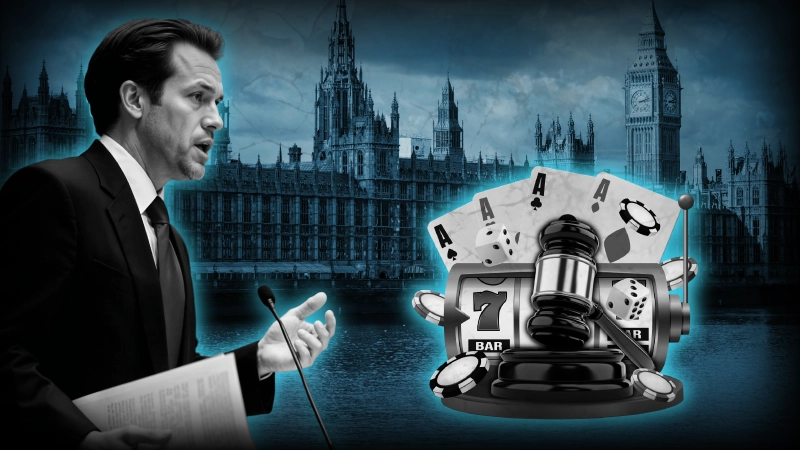

I guess we should have seen this coming – though you don’t need to be a genius or Westminster insider to have guessed that sooner or later Rachel from Accounts and her Treasury ‘advisers’ would cast an envious eye at the gambling industry, lick their lips and chorus: ‘cash cow’.
'The gambling industry is a licence to print money.'
With seemingly little or no idea on how to actually grow the economy, Labour is casting its collective eye far and wide across the country, wondering where they can get the cash to fill the reported £50bn black hole in public finances.
And it was Labour grandee and former PM, Gordon Brown, revealing most if not all, who hit the headlines with his Guardian op-ed article and subsequent ITV News interview on 6 August about gambling and government revenue shortfalls. The dour Scot said that increasing taxes on the ‘extraordinarily profitable gambling and betting industry’ should be a ‘first step’ in helping address child poverty, because, after all, 'the gambling industry is a licence to print money'.
Curiously though, little mention of why the 5th richest country in the world has a child poverty problem or why it wasn’t addressed effectively during his tenure as Chancellor or PM (a combined 13 years).
Comparisons
According to Brown: 'Excluding the lottery, betting and gaming was an £11.5bn sector last year that incurred only £2.5bn in tax. As much as £3bn extra can be raised from taxing it properly. Remote gaming duty (effectively the tax on online slots games) is about 35% in the Netherlands, 40% in Austria, 50% in Pennsylvania and 57% in tax haven Delaware, two of the few US states where it is legal.'
What does 'taxing it properly' mean? As much as you can get away with, it seems. In drawing comparisons with other countries and 2 US states Brown really ought to have added a bit more context. As mentioned later in this blog the recent gambling tax increase in The Netherlands has been disastrous.
Labour lacking imagination
Is this how things work under Labour? Identify something, a business or industry that’s going well and then tax the life out of it? Doesn’t exactly inspire, does it? Doesn’t engender ambition or entrepreneurial spirit.
If this government needs to start filling in this current financial black hole then a first step would surely be to look at the unwieldy NHS which now employs fewer patient-facing employees than it does admin staff, facilities bods, finance, DEI officers, translators and the like. They could also, by popular decree, cut a swathe through the illegal arrivals industry – which currently costs the British public £6m a day – and that’s just on hotels, not food, mobile phones or the burgeoning legal aid bill when said arrivals get up to no good.
No, too sensible.
What’s successful? What’s growing? Ok, let’s tax the hell out of it. They’ll find a way after going after the football industry next. And anything else that looks too successful.
Netherlands gambling tax revenue crashes
It seems Chancellor Reeves hasn't taken note of what’s happening just across the North Sea in The Netherlands. The Belastingdienst (Netherlands tax office) is looking at a tax shortfall in the region of 25% – equating to around €200m. And this coming, just after a 4% increase in tax on the sector – an increase designed to, er, increase tax revenues. Right now Ms Reeves could do worse than pick the brains of her counterpart in The Netherlands.
Conflict
Gambling represents an interesting challenge for governments – particularly those that are left-leaning and espouse ‘caring’ values. They need the money that gambling generates in taxes, yet disapprove of how it landed in their lap, and look down their noses at the people who placed the bets or hit ‘spin’ to generate it.
Tread carefully...
The Chancellor and government need to tread carefully on this one. A big hike in taxes would mean a squeeze on margins for casinos and operators. This, in turn, would lead to some of them shutting up shop in the UK, others would compromise their offering and lose players. All roads would lead many players to a more attractive unlicensed sector – one beset with risk for customers, and nothing, revenue-wise, flowing back to the government.
I feel, and fear, a likely government own goal.