
Labour muscle flexing?
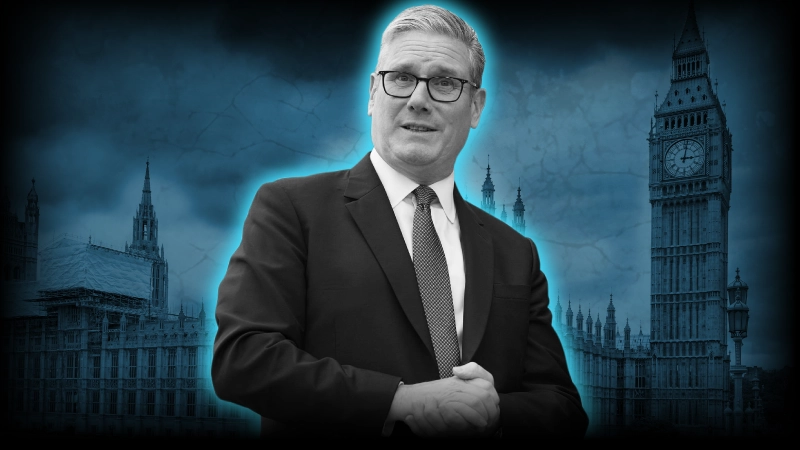

Before they came into power, it seemed that the Labour government supported the 2023 Gambling White Paper. There was almost nothing about gambling in their manifesto, but a year or so on, that seems to be changing. The gambling industry is firmly in Labour’s sights both as tax cash cow and scapegoat for the death of the high street.
Labour MP has high street gambling venues in her sights
Dawn Butler, MP for Brent, questioned Prime Minister, Keir Starmer in early September about whether the Labour government would consider giving local councils a greater say in gambling shop planning applications. She said that “...poorer high streets are flooded with gambling shops. The ‘aim to permit’ legislation prevents councils from saying no."
The ‘aim to permit’ that Butler talks about is a clause in the 2005 Gambling Act. It requires the Gambling Commission (UKGC) and licensing authorities to aim to permit gambling as long as it falls within licensing objectives. It doesn’t prevent them from saying no, but it does prevent them saying no without good reason.
Brent; an extreme example
It’s understandable that Butler is keen to reduce poverty in Brent. In the 2021 census, Brent had a 41% child poverty rate – considerably higher than in other London boroughs. It’s also true that gambling shops are ten times more likely to be found in poorer areas than affluent ones.
While the proposal of removing the ‘aim to permit’ clause seems neat – and possibly effective – it does lack nuance. In poorer high streets, there are higher rates of high street vacancy. Gambling shops may be filling that hole – and in doing so generating some income for the area. Do gambling shops cause poverty, prey upon those in poverty, or neither? While reducing poverty in the area by reducing the number of gambling shops might help, it also might hinder in other ways.
Gambling venues and betting shops
When MPs talk about ‘gambling venues’, I think it’s really crucial to understand what they mean. Generally, they mean betting shops. But, the term ‘gambling venues’ goes far further than that. Casinos, bingo halls, seaside arcades, even race courses or greyhound tracks – they’re all gambling venues too. Yet, the impact that they’re perceived to have is quite different.
Bingo halls are framed as community spaces. Arcades are a full afternoon out for those in seaside towns. Casinos, a glitzy night out on the town. Bookies, by contrast, cluster on high streets, often in deprived areas, fuelling the idea they prey on poverty. Yet they also provide steady employment, fill empty retail units, have a lower spend, an ‘in and out’ visiting style, and create a place to socialise. That’s quite different to all of the other gambling venues mentioned. Are they actually worse?
Local authorities to get more control over gambling venues
Starmer addressed Butler’s question alongside a letter addressed to DCMS (Department for Digital, Culture, Media & Sport) Secretary Lisa Nandy. In the letter, 2 mayors and 36 councils demanded key reforms to the gambling act, including more control in rejecting licence applications, keeping in mind the local debt of the area. Starmer said:
"We are looking, Mr Speaker, at introducing cumulative impact assessments. These are like those already in place for alcohol licensing. We will give councils stronger powers over the location and numbers of gambling outlets to help create safe, thriving, high streets.’
Different places, different needs
The idea that councils should suddenly get the whip hand isn’t completely without problems. The ‘aim to permit’ clause exists precisely because local politics can be messy. One council’s moral stance is another council’s economic lifeline. A shop might be welcomed in one borough but rejected in the next, for reasons that have more to do with optics than licensing objectives. With high streets not exactly ‘vibrant’ right now, betting shops keep some lights on, provide jobs, and stop whole parades of shops from sliding into vacancy.
But, councils do know their own communities better than Westminster ever could. Cumulative impact assessments might well stop the worst cases of clustering in poor areas. Do we want a consistent framework across the country, regardless of socioeconomics, or do we let local politics decide whether their high street can stomach another bookie?
Tax rise expected
Labour has also suggested further game-changers for the gambling industry. The Industry for Public Policy Research put forward a proposal to increase taxes in the gambling sector. The IPPR suggested the tax could mean more money for the government in taxes, without harming the gambling industry. However, the proposed tax increases are:
- Increasing Remote Gaming Duty (online casinos) from 21% to 50%
- Raising Machine Games Duty (slots and gaming machines) from 20% to 50%
- Uplifting General Betting Duty on non-racing bets from 15% to 25%
Big increase, little or no impact?
This represents an enormous increase by anyone’s standards, so it seems confusing that the IPPR believes this won’t have an impact on the gambling industry. The Betting and Gaming Council (BGC) responded to these claims stating that increases in tax ‘will only hit ordinary punters. These proposals are economically reckless, factually misleading, and risk driving huge numbers to the growing, unsafe, unregulated gambling black market’.
With a potential crackdown on high street betting shops and a huge hike in taxes, it does seem as though Labour is intent on penalising the gambling industry, but why?
And on 25 September it was reported that 100 backbench Labour MPs had all signed a letter backing tax increases for online gambling.
Tax rise pros and cons
If the tax hike does manage to avoid hurting the gambling industry, while bringing in an additional £3 billion (as hoped), that money has seemingly been earmarked for lifting children out of poverty. The UK has had a shamefully high child poverty rate for decades, around 22% in 2023, compared to 19% for the general population. The catch is that it has been this way for decades. If lifting children out of poverty is such a priority, why has it been so low on the list for so long?
If the ‘aim to permit’ clause is removed, this could prevent parents from lower income households from placing bets. But, will it?
What if the lack of a betting shop turns people to betting online, and at the same time the tax hike drives people to the black market? We end up with people from lower income households betting at completely unregulated sites that pay absolutely nothing in tax. It might not end like this, but if it did, it would be truly disastrous.
Summary
While the UK gambling industry didn’t seem to be in the firing line in the earliest days of the Labour government, it sure does now! Quick revenue wins make sense, especially if the end result is eradicating child poverty. Nobody could argue with that, but it could come at the cost of disrupting a thriving and well-regulated industry. A sensible cumulative approach to licensing gambling venues really could work well, and personally, I’m often in favour of letting local powers have a little more control. But as a whole, this attack on gambling feels like a knee jerk reaction that hasn’t been thoroughly thought through.